

Blog
Exploring the psychology behind winning at casinos

The allure of gambling: Understanding the attraction
The psychology of gambling reveals an intricate relationship between chance and human behavior. Many individuals are drawn to casinos by the thrill of uncertainty and the possibility of unexpected rewards. This allure stems from a psychological phenomenon known as ‘variable reinforcement,’ where players receive occasional wins that create a sense of unpredictability and excitement, leading them to continue playing despite losses. For those looking for entertainment options, a visit to a crypto casino can enhance this experience dramatically.
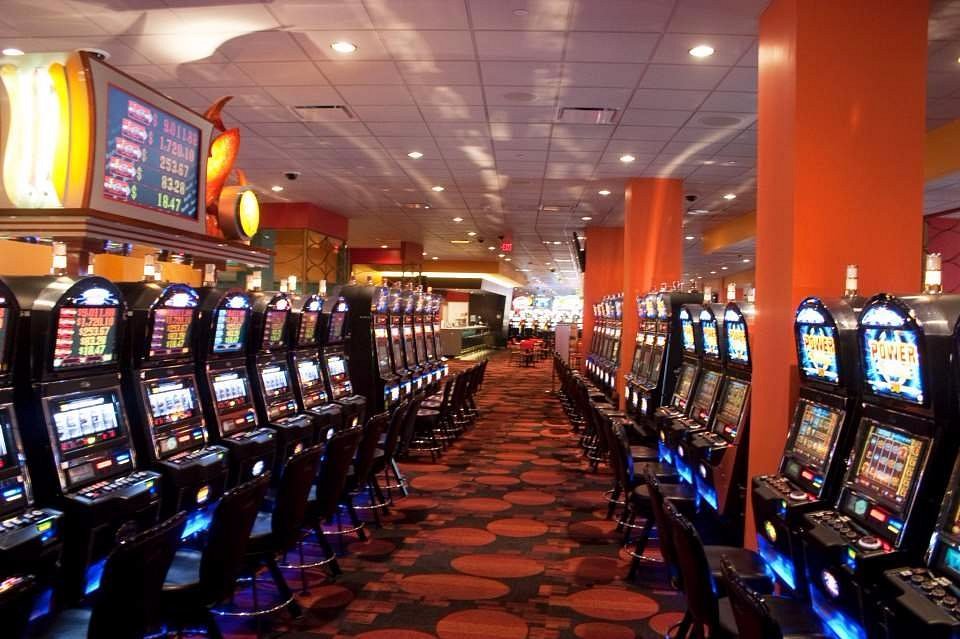
Moreover, the ambiance of casinos is designed to enhance this attraction. Bright lights, engaging sounds, and the bustling atmosphere contribute to an environment that stimulates the senses and heightens emotional responses. This carefully crafted setting can trigger dopamine release in the brain, similar to the reaction associated with other forms of pleasure, which can make the experience of gambling feel rewarding.
The role of cognitive biases in gambling behavior
Cognitive biases significantly influence how gamblers perceive their chances of winning. One prevalent bias is the ‘illusion of control,’ where players believe they can influence the outcomes of games that are fundamentally based on luck. This belief can lead to overconfidence in their betting strategies, perpetuating a cycle of play. Gamblers often think that their strategies or choices will yield better results, despite statistical evidence to the contrary.
Another common bias is the ‘gambler’s fallacy,’ where individuals mistakenly believe that past outcomes will influence future results. For instance, after a series of losses, they might think they are ‘due’ for a win, which can lead them to make irrational bets. These cognitive distortions are critical to understanding gambling behavior, as they can lead players to continue their pursuit of winning even when it is statistically unfavorable.
The emotional rollercoaster of winning and losing
Winning at the casino can trigger a powerful emotional response, while losses can have the opposite effect. When gamblers win, they often experience heightened feelings of excitement, achievement, and validation. This emotional high can create a desire to chase further wins, fostering a sense of euphoria that may impact decision-making processes positively.
Conversely, losing can lead to frustration, disappointment, and even anger. These negative emotions can drive gamblers to seek solace in further gambling, a behavior known as ‘loss chasing.’ This emotional rollercoaster is a significant factor in the psychology of gambling, showcasing how winning and losing can deeply affect an individual’s mindset and subsequent actions within a casino environment.
The influence of social dynamics in casinos
Social factors play a crucial role in the gambling experience. Many players prefer to gamble in groups, as social interaction can amplify excitement and enjoyment. This camaraderie can lead to a shared sense of hope and motivation, making the experience more pleasurable. The presence of other gamblers can also create a competitive atmosphere, pushing individuals to engage more in the hope of achieving status among peers.
Furthermore, casinos often exploit this social aspect by hosting events or creating spaces that encourage collaboration and community. This communal environment can influence players’ behaviors, making them more likely to take risks and gamble larger amounts, driven by the collective energy of the group. The psychology behind this social dynamic reveals how human connections can significantly impact gambling habits and outcomes.
Safeguarding your experience: importance of responsible gambling
Understanding the psychology of casino gaming is essential not only for enhancing the gambling experience but also for promoting responsible behavior. Casinos often provide resources and information to assist players in recognizing the signs of problematic gambling. Awareness of one’s psychological triggers—be it thrill-seeking or social engagement—can empower individuals to make more informed decisions about their gambling habits.
By adopting a mindset of responsible gambling, players can enjoy the excitement of casinos while minimizing risks associated with excessive play. It is crucial for participants to set limits, recognize their emotional states, and seek help if necessary. Ultimately, responsible gambling fosters a healthier, more sustainable relationship with this form of entertainment, ensuring the enjoyment of the experience without compromising well-being.