

Blog
How Long Does It Take to Ship a Car Across the Country?

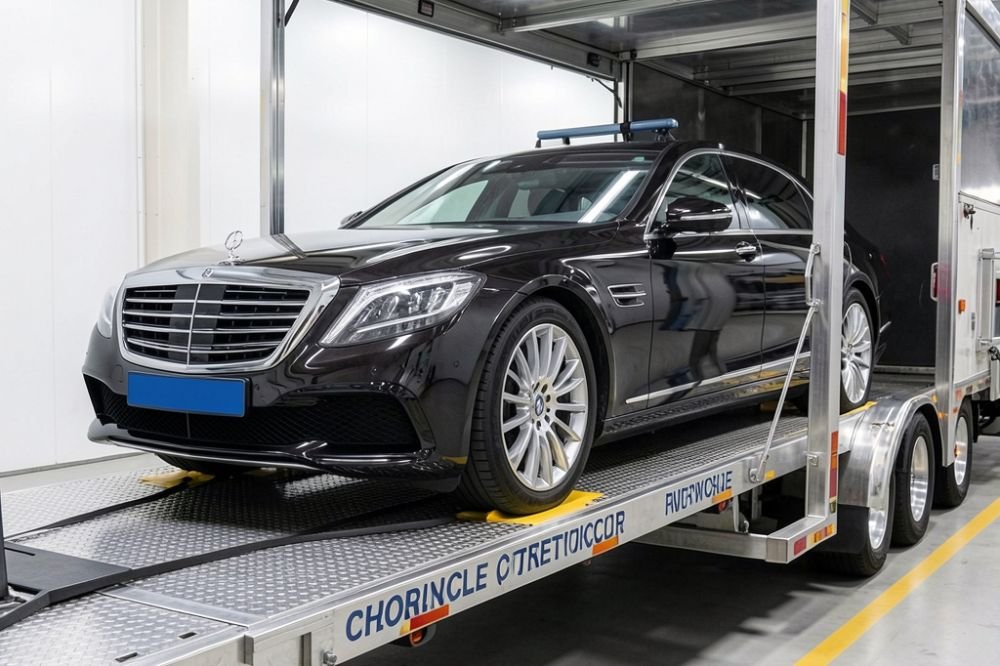
Your car pulls onto a flatbed, and suddenly you have no idea where it’s headed or when it will arrive. That uncertainty is the biggest source of stress for anyone shipping a vehicle across state lines. The good news is that transit times are not a mystery. They follow predictable patterns shaped by distance, route, season, and federal driving rules. Once you understand those patterns, you can plan pickup and delivery, whether you are relocating for a job, sending a car to a college student, or heading south for the winter.
What Actually Determines Shipping Time?
Every quote hides the same handful of variables. Knowing them helps you set realistic expectations before your vehicle ever leaves the driveway.
- Distance between pickup and drop-off. More miles simply mean more days on the road.
- Trailer type. Open trailers move on tighter schedules than enclosed ones.
- Route popularity. Busy corridors like I-95 fill trucks faster than remote routes.
- Weather and road conditions. Storms, ice, and flooding can add a day or two.
- Time of year. Peak seasons stretch timelines because demand outpaces available carriers.
Average Transit Times by Distance
Use this table as a general guide. Actual timing still depends on the specific route and carrier availability.
| Distance | Typical Transit Time |
| Under 500 miles | 1–2 days |
| 500–1,500 miles | 2–5 days |
| 1,500–2,500 miles | 4–7 days |
| Over 2,500 miles | 7–10 days |
A Florida-to-New York move typically covers 1,100 to 1,300 miles, depending on the exact cities involved. Most shipments on this route land in the two-to-five-day window.
The Federal Rules Behind Every Delivery Window
Transit times are not arbitrary. Every commercial driver in the country operates under the same safety ceiling. The Federal Motor Carrier Safety Administration limits property-carrying drivers to 11 hours of driving within a 14-hour on-duty window, followed by 10 consecutive hours off duty (FMCSA). That single rule explains why a 1,200-mile trip cannot legally happen overnight. A responsible carrier builds these limits into your quoted delivery window from the start.
Door-to-Door vs. Terminal-to-Terminal Timing
Terminal shipping requires you to drop off and collect your car at a depot, which adds coordination time on both ends. Door-to-Door Auto Transport Services skip that step entirely, since the carrier picks up and delivers directly at your address. This convenience rarely slows the timeline. In many cases it actually shortens it, because there is no waiting on depot hours or extra vehicle handling.
Why Summer Timelines Run Longer
Summer is the busiest season on the Florida-to-New York corridor, and the reason is simple: people move more when school is out. New York is consistently one of the largest contributors to Florida’s incoming population, with large numbers of residents relocating between the two states each year (U.S. Census Bureau). That seasonal surge means fewer open truck slots and slightly longer pickup windows. Booking early is the simplest way around it.
Tips to Keep Your Shipment on Schedule
A few small choices can shave real time off your delivery window.
- Book at least two weeks ahead, especially in summer.
- Offer flexible pickup dates instead of one fixed day.
- Choose open transport if speed matters more than extra protection.
- Keep roughly a quarter tank of gas in the vehicle.
- Have your paperwork and ID ready when the driver arrives.
Following these steps rarely guarantees an earlier pickup on its own. Combined with a reputable carrier, though, they consistently trim days off the average wait.
Shipping to New York: What to Expect
Auto shipping in New York comes with its own quirks, from narrow city streets to seasonal snow that can shift pickup windows by a day or two. Carriers often ask Manhattan and Brooklyn customers to meet at a nearby lot, since multi-car trailers cannot navigate every block safely. Building in an extra buffer day for New York City deliveries keeps expectations realistic, especially outside the busy summer months.
Getting Your Car There, On Time
At East Coast Auto Haulers, we build every quote around realistic timelines instead of guesswork. Our drivers know the Florida-to-New York corridor inside and out, and we keep you updated from pickup through delivery. Ready to get your car moving? Contact us today for an instant, no-obligation quote.
Frequently Asked Questions
How long does it take to ship a car from Florida to New York?
Most Florida-to-New York shipments take three to five days door-to-door. Exact timing depends on your specific pickup and drop-off cities, trailer type, and how quickly a carrier is assigned to your route.
Does the type of trailer affect delivery speed?
Open trailers usually move faster since more carriers offer this service and routes fill quickly. Enclosed trailers protect your vehicle better but often take a few extra days to schedule.
Can weather delay my car shipment?
Yes. Hurricanes, snowstorms, and flooding can all push back pickup or delivery by a day or two. Drivers prioritize safety over speed, so routes may shift when conditions turn dangerous.
How far in advance should I book my shipment?
We recommend booking at least two weeks ahead, especially during summer. Earlier booking gives you more flexibility with pickup dates and often results in a more competitive shipping rate.
Is door-to-door shipping slower than terminal shipping?
No. Door-to-door pickup and delivery is often just as fast, sometimes faster, since it skips the added step of dropping off or collecting your car at a separate terminal location.