

Blog
A Guide to Vehicle Transport Laws and Regulations by State

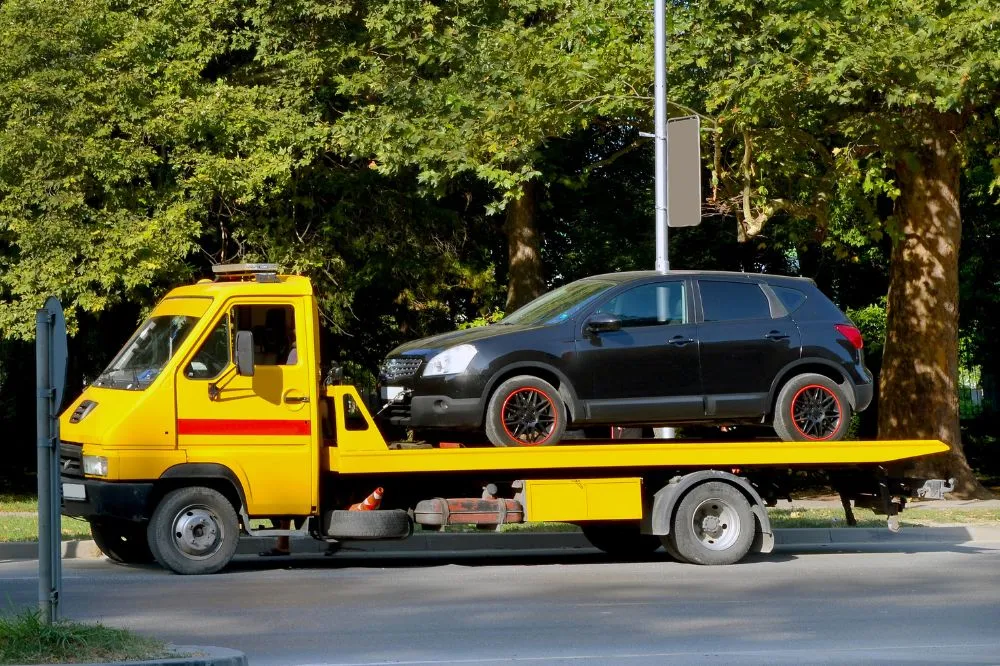
Most people think auto transport is simple – schedule a pickup, wait for delivery, done. What they don’t realize is that the industry is governed by a dense web of federal regulations, state-specific laws, and legal documents that can make or break your shipment experience. Whether you’re shipping from Florida to New York or anywhere along the East Coast, knowing the rules before you book can save you from costly surprises. Let’s break it down.
Federal Laws That Apply to All Interstate Auto Transport
Any company moving vehicles across state lines must comply with regulations set by the Federal Motor Carrier Safety Administration (FMCSA) – the federal body that governs the commercial transport industry in the U.S.
Licensing & Registration
Every legitimate interstate auto transporter must hold:
- A valid USDOT number (U.S. Department of Transportation identifier)
- An MC (Motor Carrier) number issued by the FMCSA
- Unified Carrier Registration (UCR) — required annually for carriers operating across state lines
Pro Tip: You can verify any carrier’s credentials for free on the FMCSA database. If a company can’t provide their USDOT and MC numbers, walk away.
Insurance Requirements
Federal law mandates that all interstate auto transport carriers maintain:
| Coverage Type | Minimum Required |
| Liability Insurance | $750,000 – $1,000,000+ |
| Motor Truck Cargo Insurance | Covers vehicle while in carrier’s care |
| Hazardous Materials (if applicable) | Up to $5,000,000 |
Most reputable brokers and shippers require at least $1,000,000 in liability coverage – even if federal minimums are lower.
Hours of Service (HOS) Rules
Federal HOS regulations limit how many hours a commercial driver can operate without rest – a crucial safety standard that applies to all vehicle transport service in Florida and beyond. These rules exist to prevent driver fatigue and keep your vehicle (and everyone on the road) safe during transit.
Key Documents You Should Know
The Bill of Lading (BOL)
The Bill of Lading is the single most important document in any auto transport shipment. It is legally required under FMCSA regulations for all interstate vehicle moves and serves three purposes:
- Proof of contract between you and the carrier
- Condition report – documenting pre-existing damage at pickup
- Delivery confirmation – the final record signed at drop-off
What to do at pickup:
- Inspect your vehicle thoroughly alongside the driver
- Ensure all scratches, dents, and chips are documented
- Never sign a BOL with a blank condition section
What to do at delivery:
- Inspect the vehicle before signing the delivery BOL
- Note any new damage in writing
- Once signed without damage noted, filing a claim becomes significantly harder
State-Specific Regulations: Florida vs. New York
While federal law forms the foundation, individual states layer on their own requirements. Here’s how Florida and New York compare:
| Regulation | Florida | New York |
| Commercial vehicle weight limit | 80,000 lbs (federal standard) | 80,000 lbs max |
| Trailer length | Up to 53 ft on designated roads | 48 ft max for auto haulers |
| Vehicle registration on arrival | Within 30 days | Within 30 days of establishing residency |
| Emissions inspection | No emissions testing required | Required (exempt for first 2 model years) |
| Carrier USDOT/MC display | Required on vehicles | Required; must be visible on website |
New York Note: New York has some of the country’s strictest vehicle regulations. Carriers must display their motor carrier docket numbers on their websites. If a company’s site doesn’t show this, that’s a red flag.
Transport Method Regulations: Open vs. Enclosed
Not all transport methods are created equal – and regulations can affect your choice too.
Open Transport
The most common method in America. Your vehicle rides on an exposed multi-car carrier. Fully legal, widely used, and the most cost-effective option for standard vehicles.
Enclosed Transport
Your vehicle is shipped inside a fully enclosed trailer, protecting it from weather, road debris, and UV exposure. An enclosed transport service is subject to the same federal licensing and insurance requirements as open transport – but is strongly recommended for luxury, classic, or high-value vehicles where any cosmetic damage would be especially costly.
What Protects You as a Customer
Beyond federal minimums, here’s what responsible carriers do to protect shippers:
- Provide insurance certificates in writing upon request
- Conduct a joint vehicle inspection at both pickup and delivery
- Offer GPS tracking for real-time shipment visibility
- Clearly disclose all fees upfront – no hidden charges
- Only hire verified drivers who pass background checks
Ready to Ship with Confidence?
At East Coast Auto Haulers, we take the complexity out of vehicle transport regulations so you don’t have to. We are fully FMCSA-licensed and insured, and every shipment we handle comes with 100% insurance coverage, transparent pricing, and a verified driver behind the wheel. Whether you’re moving from Wellington to Manhattan or anywhere along the East Coast, our team guides you through every step – from paperwork to drop-off – with zero hidden fees and complete peace of mind.
📞 Call us at (844) 931-8774 or get your free quote today – because your vehicle deserves to be in expert hands.
Frequently Asked Questions
Do auto transport companies need a license to ship cars between Florida and New York?
Yes. All interstate auto transporters must hold a valid USDOT number and MC authority issued by the FMCSA. You can verify any carrier’s credentials for free on the FMCSA’s official SAFER database before booking.
Is my car insured during transport from Florida to New York?
Yes, federal law requires all interstate carriers to maintain liability and cargo insurance. Always request proof of coverage in writing and document your vehicle’s condition on the Bill of Lading at pickup.
What is a Bill of Lading and why does it matter?
A Bill of Lading is a legally required document that records your vehicle’s condition at pickup and delivery. It’s your primary protection if damage occurs during transit – never skip or rush through the inspection process when signing it.
Are there weight or size restrictions for auto transport carriers in New York?
Yes. In New York, auto transport carriers must not exceed 80,000 lbs in total weight, and trailers are limited to 48 feet in length. Non-compliance can result in fines and delays to your shipment.
What’s the difference between open and enclosed auto transport in terms of regulations?
Both methods follow the same federal FMCSA licensing and insurance rules. The difference is protection – enclosed transport shields your vehicle from weather and debris, making it the preferred choice for luxury or classic cars.